Winterizing Your Home: A Simple Checklist for Middle Tennessee Homeowners
Winter in Middle Tennessee is rarely extreme—but it is unpredictable. One week may feel like fall, while the next brings freezing rain, icy roads, and overnight temperature drops. Because many homes in the region aren’t built for prolonged cold, winterizing your home is essential to avoid costly repairs, high utility bills, and uncomfortable living conditions.
This guide provides a simple, homeowner-friendly checklist tailored specifically to Middle Tennessee, helping you prepare your home for winter efficiently and affordably.
Why Winterizing Matters in Middle Tennessee
Unlike colder states, Middle Tennessee often experiences sudden freezes rather than steady cold. These rapid temperature changes are especially hard on plumbing, HVAC systems, roofs, and crawl spaces. Winterizing helps you:
-
Prevent frozen or burst pipes
-
Reduce heating costs
-
Improve indoor comfort
-
Avoid emergency repairs
-
Protect long-term home value
A little preparation goes a long way.
Inspect and Seal Doors and Windows
Air leaks are one of the biggest sources of heat loss.
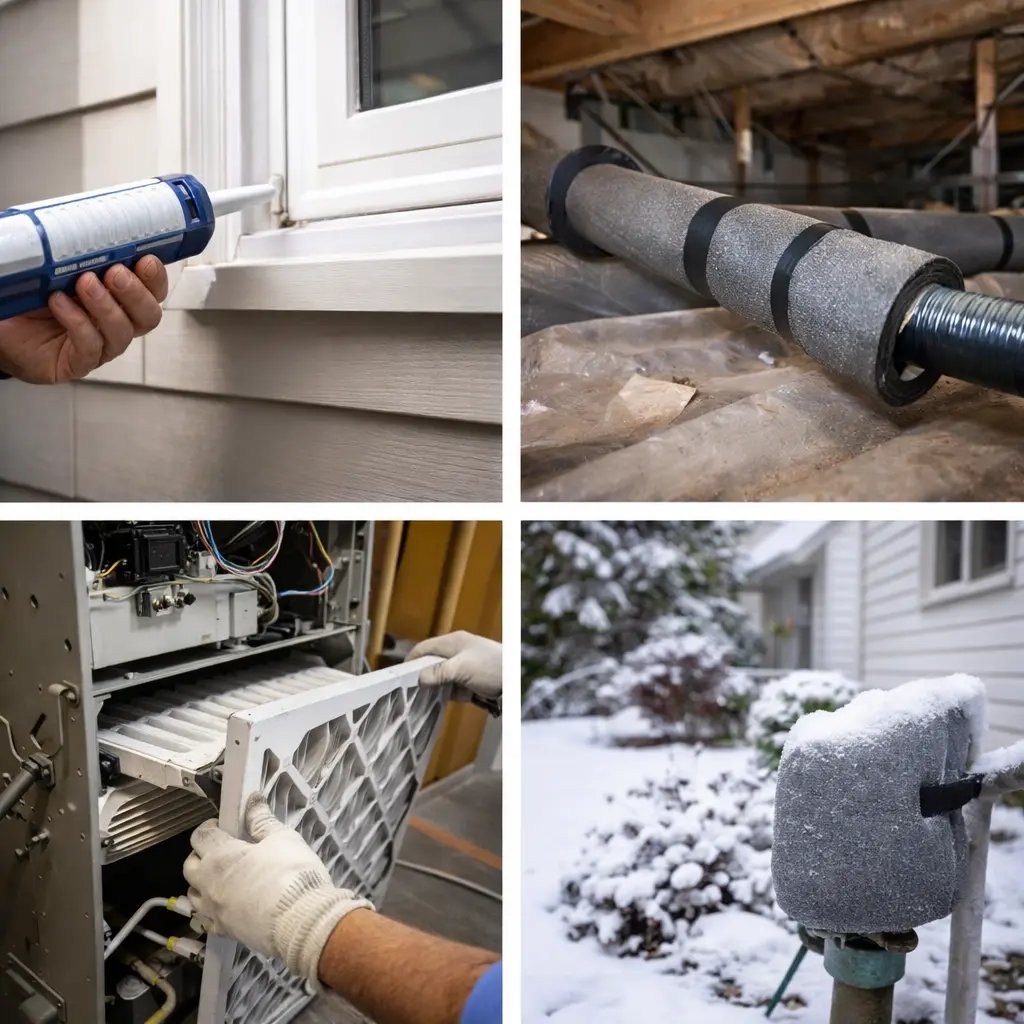
Weatherstripping and Caulking
-
Replace worn weatherstripping around exterior doors
-
Caulk gaps around window frames
-
Install door sweeps at exterior entrances
These low-cost upgrades can reduce heating bills and keep rooms noticeably warmer.
Check and Service Your HVAC System
Your heating system works hardest during winter, even in milder climates.
Filters and Professional Maintenance
-
Change HVAC filters every 1–3 months
-
Schedule a professional furnace or heat pump inspection
-
Clear vents and registers of dust and obstructions
Well-maintained systems run more efficiently and are less likely to fail during a cold snap.
Protect Pipes From Freezing
Frozen pipes are one of the most common winter problems in Middle Tennessee.
Outdoor Faucets and Crawl Spaces
-
Disconnect garden hoses
-
Install insulated covers on outdoor spigots
-
Insulate exposed pipes in crawl spaces, garages, and basements
-
Seal crawl space vents when temperatures drop
On very cold nights, allowing indoor faucets to drip slightly can help prevent freezing.
Inspect the Roof and Gutters
Your roof is your first line of defense against winter weather.
-
Look for missing or damaged shingles
-
Clear leaves and debris from gutters
-
Ensure downspouts direct water away from the foundation
Proper drainage prevents ice buildup and moisture intrusion.
Fireplace and Chimney Safety
If you use a fireplace, safety is critical.
-
Schedule a chimney inspection and cleaning
-
Check for cracks or blockages
-
Keep flammable materials away from the hearth
A clean chimney improves efficiency and reduces fire risk.
Prepare Your Water Heater
Cold weather increases demand for hot water.
-
Set the temperature to about 120°F
-
Insulate the water heater and nearby pipes
-
Check for leaks or corrosion
These steps improve performance and extend the unit’s lifespan.
Test Smoke and Carbon Monoxide Detectors
Winter means more heating equipment running indoors.
-
Test all smoke detectors
-
Test carbon monoxide detectors
-
Replace batteries if needed
The U.S. Fire Administration emphasizes that working detectors are especially important during winter heating season: https://www.usfa.fema.gov
Outdoor and Yard Preparation
Preparing your yard protects both your home and landscaping.
-
Store outdoor furniture and hoses
-
Trim tree branches near the roof or power lines
-
Drain and shut off sprinkler systems
These steps help prevent storm-related damage.
Energy-Saving Tips for Winter Comfort
Winterizing isn’t just about protection—it’s also about savings.
-
Use a programmable or smart thermostat
-
Open curtains during sunny days
-
Close blinds and curtains at night
-
Seal unused fireplaces
Small adjustments can significantly reduce heating costs.
FAQs: Winterizing Your Home: A Simple Checklist for Middle Tennessee Homeowners
1. When should I start winterizing my home?
Early fall is ideal, before overnight temperatures drop below freezing.
2. Do Tennessee homes really need pipe insulation?
Yes. Sudden freezes often damage unprotected pipes, especially in crawl spaces.
3. Is annual HVAC maintenance necessary?
Yes. Regular maintenance improves efficiency and reduces breakdown risk.
4. How expensive is winterizing a home?
Most basic steps are inexpensive and often pay for themselves through energy savings.
5. Should crawl space vents be closed in winter?
Yes, closing or covering vents helps retain heat and protect plumbing.
6. Does winterizing help with resale value?
A well-maintained, energy-efficient home is more attractive to buyers and inspectors.
Conclusion
Winterizing Your Home: A Simple Checklist for Middle Tennessee Homeowners is about preparation—not panic. With a few proactive steps, you can protect your home from unexpected cold weather, lower energy costs, and enjoy a warmer, safer winter season.
Middle Tennessee winters may be unpredictable, but your home doesn’t have to be.